

Pellet Stove Furnace
Pellet stoves can be used as a second heating source or, with proper venting, a primary heating option. They are available as freestanding units or fireplace inserts that give your home the look of an old-fashioned wood-burning fireplace.
The auger moves pellets from the hopper to the combustion chamber where they are burned and produce heat. Sensors are used to monitor the fire and alter the rate of operation to maintain your desired temperature in the room.
1. Energy Efficiency
Pellet stoves burn a sustainable, non-toxic fuel made of compressed sawdust and wood chips. They also contain bark and other materials normally placed in landfills but which can be repurposed into a clean and efficient source of heating. They aid homeowners in reducing their energy consumption, and therefore greenhouse gas emissions. Many homeowners who own pellet stoves report recouping their initial investment in just several years with lower heating bills.
Pellets are extremely compressed and are more dense than natural wood, making them more efficient to burn. They also produce less creosote than traditional wood-burning fireplaces. They are also packaged in plastic bags that block out moisture, and require less frequent cleaning.
Pellet stoves, as with other heating systems, need to be sized and vented properly. A trained technician will be able to determine the venting needs and space requirements to achieve the best results.
During installation the hearth is constructed according to your specifications, and the vent is installed via a hole that is cut in the exterior of your home. The vent can then be run out the side wall or the roof, depending on your preference and local regulations.
After the hearth and vent are completed and the stove is ready to be plugged in and turned on. Some manufacturers provide the option of a remote control to make it simple to start and maintain the fire, while others provide additional sensors to check airflow and combustion, flue temperatures, and pressure. When the system detects it requires more pellets or less, it signals to the auger to accelerate or slow down according to the need.
All stoves have a storage hopper that holds between 35 and 130 pounds of pellets until they're needed. Hopper capacities determine the frequency at which the stove has to be filled and larger hoppers allow longer intervals between refills. A grille draws fresh air from the room and then passes it through an exchanger that then blows heated air into the living space through convection. A grate, auger or other device distributes the pellets and a pan below collects any unburned ones as well as the combustion residue.
Although pellet stoves are more efficient than wood-burning models they're not as efficient as natural gas furnaces or electric heaters. Electric components that drive motorized parts of the stoves require an electrical supply. This could cause an issue in the event of power outage, though backup systems such as generators and batteries are readily available.
2. Low Maintenance
Pellet stoves are extremely efficient, however, like any major heating appliance they require a bit of maintenance to ensure that they function properly. Regularly cleaning the exhaust vent of your stove and the stove will help prevent the accumulation of harmful creosote that can cause an explosion, fire or damage to your home or stove.
A pellet stove burns compressed natural particles made of wood or other materials (like corn kernels, nutshells or small pieces of scrap wood). The pellets are introduced into the combustion chamber through an auger powered with electricity. The thermostat you choose controls the rate of pellets being fed to the burner. The fire can be kept roaring or modulated lower and even extinguished according to the temperature you set. When the fire goes out, the ash is dropped into an empty ash tray underneath the burner, which can be easily removed and disposed.
Pellets are made from byproducts that could have been discarded during the process of processing lumber. They are a renewable resource and emit far less particulates into the air than traditional wood-burning stoves, making them a cleaner burning heat source. The amount of carbon monoxide, carcinogens and other harmful chemicals emitted from pellet stoves is much lower than those with modern EPA-certified wood stoves.
Because of the low emissions the stoves don't require to be vented through chimneys as traditional wood stoves, but they must be properly vented through a wall or an external structure. Pellet stoves have flue ports that open from the rear or the top of the appliance. They are connected to a vent pipe that extends outside of the home.
A pellet stove comes with one drawback that you must purchase or store enough fuel pellets to last the entire winter time. On average, owners of pellet stoves use three tons of pellets over the course of the winter season at a cost of $200 per ton. These costs increase over time however it's much cheaper than buying and hauling firewood for traditional fireplaces or stove. Make sure you buy enough pellets to ensure that your stove will last throughout the coldest winter months and you have a suitable place to store them (preferably cool, dry and off the ground).
3. Reduced Carbon Footprint
Pellet stoves use renewable biomass fuel to generate heat, thus reducing the dependence on finite fossil fuels. This contributes to a reduced carbon footprint and also helps diversify the sources of energy used in homes.
The emissions of pellet stoves are considerably lower than woodstoves, even newer EPA-certified ones. The emissions from pellet stoves also are considerably lower than ones from gas furnaces. Pellets are made from sawdust and bark as well as other wood remnants. They can also include soybeans, corn, or agricultural waste. When they are burned, they release less particulates, which can cause respiratory issues and allergies and carcinogens as well as nitrous dioxide.
The major difference between a wood stove and a pellet stove is the feed system. Pellet stoves have hoppers to hold the pellets. When enquiry or sensors suggest that the room requires heating, the auger turns and the pellets are fed into the combustion chamber, where they are burned and generate heat. The air from combustion chamber is then pumped through a heat exchanger, which transfers heat to the blower. This results in extremely low emissions and no creosote buildup.
After the hopper is empty, a cyclone removes the ash and places it in an ash pan. pellet stoves vs wood stoves contains a fan to circulate the clean, heated air throughout the living area. Most pellet stoves are made to run with minimal maintenance and feature a large viewing space for you and your family to take in the flames.
The most significant factor affecting emissions from stoves made of pellets is the quality of the pellets. The poor quality pellets emit more emissions. When selecting your pellets make sure they are certified as meeting certain standards and do not contain other ingredients such as petroleum-based or urea-based products. Also look for enquiry who offers a warranty and will repair or replace parts in case of a problem. Some states offer homeowners an incentive to pay taxes when they choose to go greener. This is a great way to help offset the initial cost of this type of stove and make it easier to install.
4. Reduced Noise
Pellet stoves produce very little smoke or exhaust when compared to wood-burning fireplaces. A fan is used to distribute heat more evenly in the room. This is a major reason pellet stoves need less maintenance than wood stoves. While wood stoves need to be frequently cleaned of particulates and chemicals pellet stoves require an specialized metal vacuum cleaner for routine cleaning.
Many manufacturers have made a conscious effort to design their stoves to be simple to set up, operate and maintain. They also make their appliances with a variety of styles that will match your home's decor. Some come with a programmable thermostat, remote control and WIFI apps that let you manage and monitor your stove from any location in the world.
The majority of pellet stoves have a large fuel hopper that can accommodate between 35 and 130 pounds of pellets. The pellets are then fed to the combustion chamber by an auger. The speed at which pellets are delivered to the burner determines how hot the flame is and also the amount of heat produced. The hopper may be filled with hardwood pellets, made from dense wood species like hickory and oak or softwood pellets. Many stoves can also make use of alternative biomass pellets like those made from corn or switchgrass, which can be an environmentally friendly option.
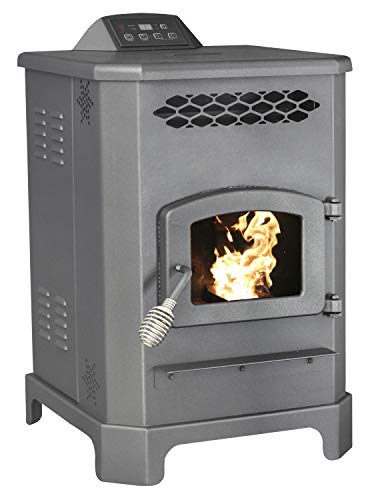
Because pellet stoves burn such a clean fuel, they produce far less smoke than conventional wood-burning fireplaces and require fewer maintenance. They do not need chimneys and are the best choice for retrofits and new construction.
In contrast to wood stoves, which need to be kept regularly cleaned of creosote and other chemicals, pellet stoves only require periodic inspections for proper operation and maintenance. Based on the model, this might include a regular inspection and cleaning of the accumulated ash or "clinker," as well as the motor and fan. Your appliance dealer can provide the proper procedure for your specific model and brand. He can also provide you with information about storage and safety and help you find the correct fuel for your stove.